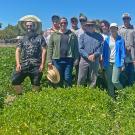
Students in the Brummer and Potter labs are looking at plant genetics and wild relatives to find and develop alfalfa cultivars that produce even when water is scarce and increase overall yield.
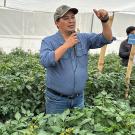
Scientists statewide are testing varieties of large-seeded and baby limas, both bush and vine types, for qualities that are great for consumers and for growers facing a range of conditions. Research updates were presented at the 2025 UC Dry Bean Field Day.
The Horticulture Innovation Lab will end operations in April 2025. Scientists boosted fruit and vegetable sectors in Africa, Asia and Central America, training thousands of farmers and researchers. Innovations including storage and crop varieties improved food security and family incomes.
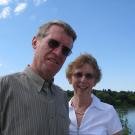
Former department Chair Chris van Kessel and wife Betsy have given $500,000 to establish an endowment to help graduate students studying field crops. With the UC Davis Give Day Challenge now open, you can be a part of this life-changing, world-bettering opportunity!
UC Davis researchers are developing improved lima bean varieties suited for U.S. climates. By studying wild genetics and breeding for heat tolerance, yield, and nutrition, they aim to expand lima bean cultivation and consumer appeal nationwide.
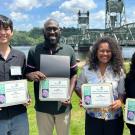
UC Davis professors Patrick H. Brown and Cai-Zhong Jiang have been honored by the American Society of Horticultural Science. Brown won the 2024 Outstanding Researcher Award, while Jiang was named an ASHS Fellow. They will be recognized in September.
UC Davis graduate Joseph Urias, a first-gen student, combined hands-on work at Planting Justice with studies in horticulture. Now, he aims to connect sustainable agriculture with food systems, bridging academia and community initiatives.
Loren Oki, UC Davis professor emeritus, retired after 29 years of research on water conservation, pesticide management, and nursery production. His work influenced state policies and industry practices, earning him induction into the Green Industry Hall of Fame.
Jennifer Baumbach used her GSR award to support research on water-wise landscaping, which she now applies in her role leading the Master Gardener Program in Solano and Yolo counties, turning science into practical gardening solutions.