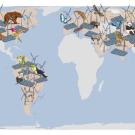
A study led by the University of Southampton, with UC Davis’ Gail Taylor, shows that expanding wind and solar energy production won't necessarily harm protected areas. Careful land use zoning can minimize overlap, helping conserve biodiversity.
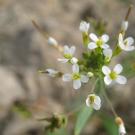
UC Davis researchers, in collaboration with the Max Planck Institute, discovered that DNA mutations in plants are not random but follow a non-random pattern that benefits the plant. This finding challenges existing mutation theories and could aid in crop breeding and disease prevention.
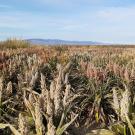
A UC Davis-led team has received a $6.5 million grant from the Gates Foundation to develop GEMINI, a tool using AI and 3D modeling to accelerate breeding for legumes and sorghum, enhancing climate adaptation and crop yields.
A UC Davis study with the Environmental Defense Fund found that nitrate leaching in agricultural fields increases with a higher nitrogen balance. Reducing nitrogen rates and improving efficiency can cut leaching losses, benefiting sustainability.
A UC Davis study found that while breeding and management helped maintain rice yields despite climate change, they weren't enough to boost production to meet growing global demand. Increased investment in breeding and soil management is crucial.
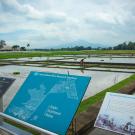
A study by UC Davis researchers found that reintroducing cattle grazing to vernal pools after 40 years of rest increased plant diversity. The cattle’s hoofprints create microdepressions that help native species thrive in these ecosystems.
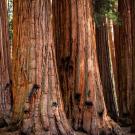
UC Davis researchers and collaborators have sequenced the genomes of coast redwood and giant sequoia trees, revealing genetic traits that help these species adapt to stress, disease, and climate change, supporting conservation efforts.
A new study led by Caspar Donnison at UC Davis found that converting land from agriculture to non-food bioenergy crops boosts biodiversity by 75%, especially benefiting bird populations and soil microbes. More research is needed on cultural services.
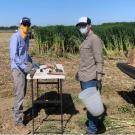
UC Davis and UC Cooperative Extension introduced new tools for optimizing nitrogen fertilizer use in wheat and small grains. These tools improve crop productivity, save fertilizer costs, and reduce environmental impact.
UC Davis contributed to the decoding of the shea tree genome, aiding in breeding efforts to boost production of this vital African crop. The breakthrough could enhance farmers' productivity, especially women, and improve economic returns.