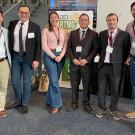
UC Davis researchers presented their rice studies at the 39th Rice Technical Working Group conference in Arkansas. Topics included herbicide programs, weedy rice responses, and the behavior of rice under different treatments, highlighting California's rice research.
The nonprofit organization Pacific Horticulture has released a new video describing research to develop irrigation recommendations for landscape plants, the science behind the process, and early ideas for mindful gardeners and landscapers.
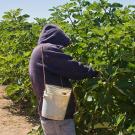
Louise Ferguson and fellow editors published The Fig: Botany, Production and Uses, a comprehensive book on fig cultivation, history, and market growth. It covers everything from fig varieties to postharvest techniques, boosting sector growth.
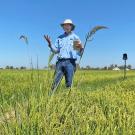
UC Davis researchers showcased new rice varieties offering better weed control with less herbicide at the Rice Field Day. They discussed drought impacts, fallow land benefits, and new herbicide trials to combat resistant weeds.
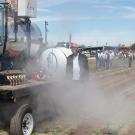
UC Davis researchers, led by Steve Fennimore, are studying robots that reduce hand-weeding costs and use steam to combat soil pathogens, improving lettuce yields and reducing chemical herbicide use in the process.
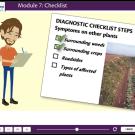
A course developed by the University of California Statewide Integrated Pest Management Program, "Diagnosing Herbicide Injury," won a 2022 Gold Award for its interactive, animated tutorial led by a cartoon resembling Professor Brad Hanson. It helps users identify herbicide-related plant issues and is popular with growers and pest advisers.
The land-grant mission of UC Davis lies deep in the roots of the Plant Sciences department. In Plant Sciences, the RICs address topics such as crop production and postharvest handling, environmental management, pest management, urban landscapes, policy decisions, and home gardening.